PT Asuransi Tri Pakarta (TRIPA) is one of Indonesia’s long-standing general insurance companies, established in 1978 by the Insan of Bank Negara Indonesia (BNI). Today, TRIPA operates on a nationwide scale with 18 Branch Offices and 34 Representative Offices, 612 employees supporting operational and business activities, and 51 insurance products across 12 Classes of Business.
Digital Transformation Journey
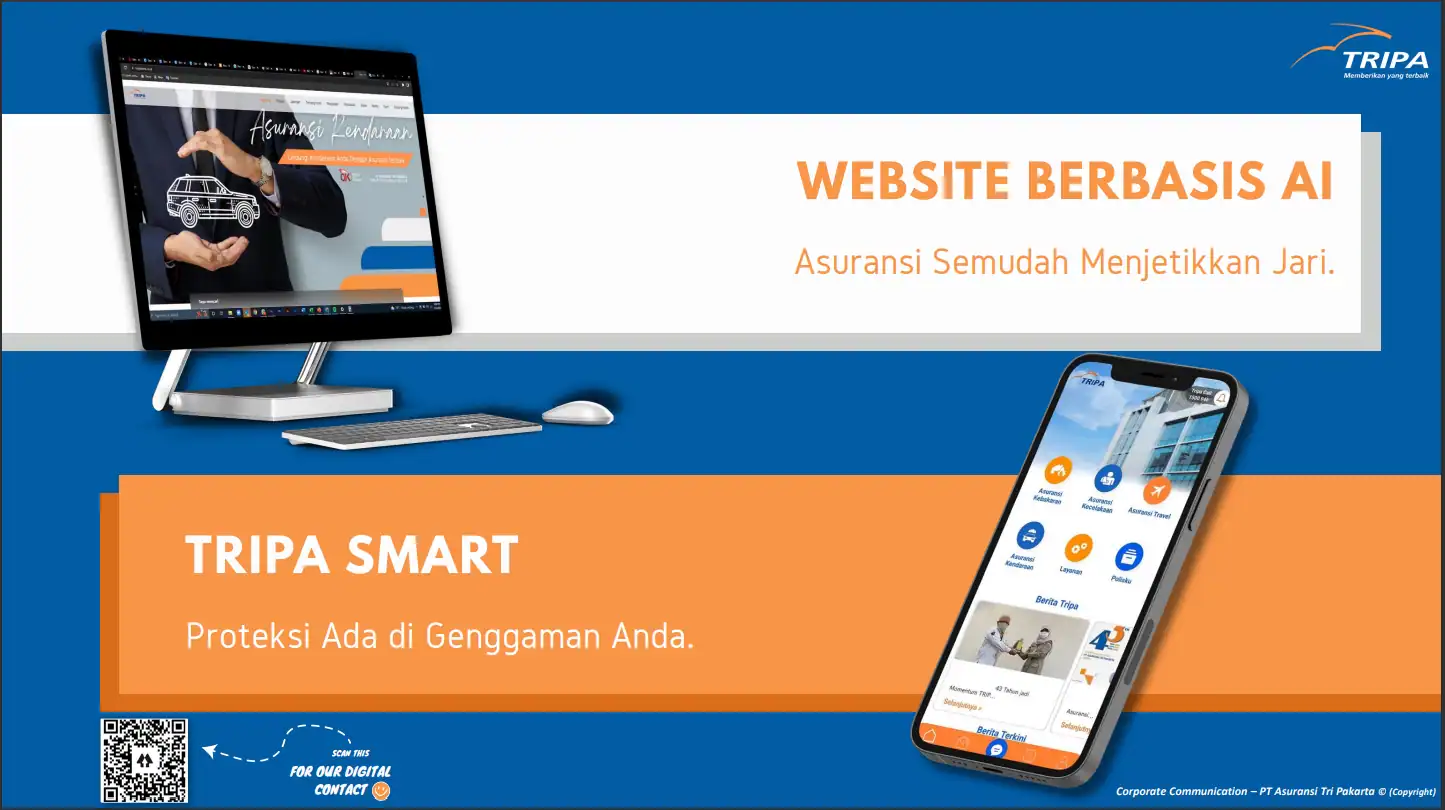
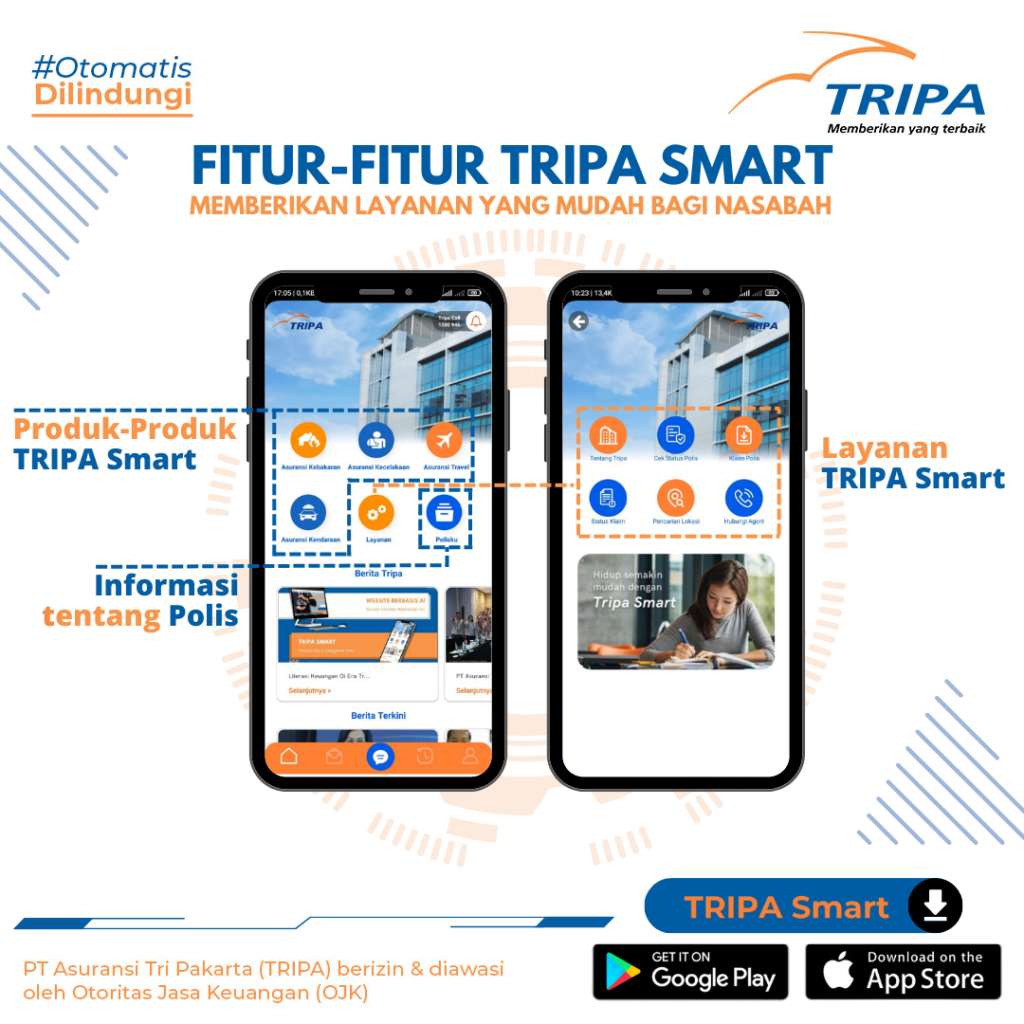
TRIPA has gradually embarked on its digital transformation journey through several strategic initiatives. The company first introduced the TRIPA Smart App in 2017, available on both iOS and Android platforms, offering four retail insurance products to support its B2C expansion.
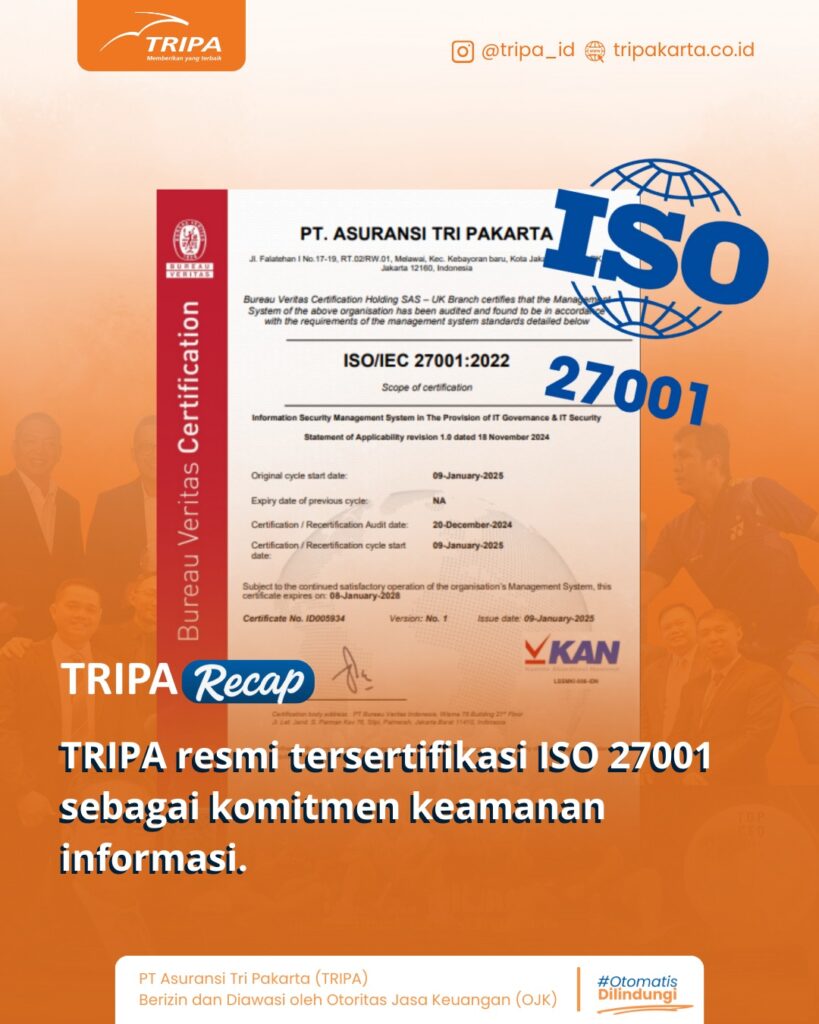
This initiative was further strengthened in 2021 with the introduction of webchat-based purchasing, allowing customers to access insurance products through online conversational channels. Most recently, in 2024, TRIPA established a Dedicated Digital Business Unit to specifically manage digital-based business and accelerate both B2B and B2C acquisition.
Problem Identification
Despite these efforts, TRIPA’s digital initiatives have not yet translated into strong commercial impact. Digital channels remain underutilized, with low engagement and conversion rates, and are still perceived primarily as information platforms rather than effective acquisition engines. This condition reflects a deeper challenge, where product offerings, customer behavior, and digital execution are not yet fully aligned, ultimately limiting the effectiveness of TRIPA’s digital information.
External Push
| Market | High Penetration, Low Contribution |
| TRIPA needs to consider being involved more on digital channels with responsive and visible digital persona. | |
| Political-Legal | Updated Related Regulation |
| TRIPA with A rated Pefindo rating need to consider their strength of strong governance to appeal more as a safe & compliant digital partner persona. | |
| Technology | Rising Digital Needs |
| TRIPA need to provide specific column on how to integrate with TRIPA in the existing digital channel while build on information of API-ready partnership guide to give the identity of digital-readiness. | |
Internal Capability
TRIPA already has a foundational digital infrastructure and strong reputation for the conventional marketing, but its channels and organization are not yet geared towards digital acquisition, the foundations for digital channel marketing are in place, there is no system or strategy to make it approachable and accessible to potential B2B partners and B2C customers through digital channels.
| Marketing Channel | Positioning & Branding |
| → Availability ✔️ → Informative content ✔️ → Tracking system ❌ → Partnership inquiry ❌ | →Identity & narration for digital partnership ❌ →Promotional materials reflect digital ready ❌ →Participatory in digital industry event ✔️ |
| People | Technology Enablement |
| → Dedicated PIC/Function ✔️ → Cross-Function collaboration ✔️ → Dedicated KPI ✔️ | → API Integration ❌ → Conversion Process ❌ → Digital Infrastructure ✔️ |
Solution
To address the gap between TRIPA’s digital initiatives and their commercial impact, a more focused, structured, and acquisition-oriented digital strategy is required. The proposed solutions emphasize alignment between segmentation, positioning, organizational readiness, and technology enablement across both B2B and B2C channels.
- Clear Segmentation and Channel Focus
TRIPA needs to clearly separate its B2B and B2C digital strategies, as both segments have fundamentally different decision journeys, expectations, and success metrics.
For the B2B segment, digital channels should function as a partnership enabler, supporting banks, fintechs, and corporate partners. This includes presenting TRIPA as a secure, compliant, and integration-ready insurance partner, supported by clear partnership narratives and technical documentation.
For the B2C segment, the focus should shift toward simplifying customer journeys, emphasizing ease of purchase, clarity of product benefits, and trust-building elements such as transparent claims processes and post-purchase support. Digital touchpoints should be designed to guide users from awareness to concession rather than stopping at information delivery. - Strengthening Digital Positioning and Brand Narrative
While TRIPA has strong credibility in the conventional insurance market, this strength has not been fully translated into its digital identity. A clearer digital positioning is needed to communicate TRIPA’s value proposition as both a reliable insurer and a digital capable partner.
For B2B, this includes:
→ Establishing a distinct digital partnership identity
→ Communicating readiness for API integration and system collaboration
→ Highlighting governance strength and regulatory compliance as competitive advantages
For B2C, digital branding should:
→ Emphasize protection, reliability, and ease of access
→ Align product messaging with customer digital behavior
→ Present digital channels as trustworthy and convenient purchase points - Enhancing Digital Channel Functionality
TRIPA’s existing digital channels already provide informative content, but lack critical features to support acquisition and conversion. Key functional improvements include:
→ Implementing tracking and analytics systems to monitor user behavior and conversion performance
→ Providing clear inquiry and lead capture mechanisms for both partnership and customer acquisition
→ Designing conversion-oriented digital flow rather than static information pages
These enhancements will allow digital platforms to evolve from passive communication tools into measurable growth drivers. - Organizational and KPI Alignment
Although TRIPA already has dedicated digital personnel and cross-functional collaboration, digital success requires clearer accountability and performance measurement. Establishing specific digital KPIs tied to acquisition, engagement, and conversion will help ensure that digital initiatives contribute directly to business outcomes rather than operating as supporting functions.
Cross-functional collaboration between marketing, IT, business development, and operations should also be formalized to ensure that digital strategies are executed consistently across departments. - Technology Enablement and Integration Readiness
From a technology perspective, TRIPA has a solid infrastructure foundation, but needs to strengthen its conversion process and integration capability. Developing clear API integration guidelines and partnership onboarding framework will support B2B digital expansion, while improving end-to-end digital purchase and claims processes will enhance B2C adoption. By aligning technology enablement with customer and partner needs, TRIPA can position itself as a digital ready insurer that is both accessible and scalable.
Conclusion
PT Asuransi Tri Pakarta (TRIPA) has a strong foundation as a trusted and well-established insurance company, yet its digital performance has not fully leveraged this strength. The main challenge lies not in brand credibility or the availability of digital tools, but in the lack of focused segmentation and an aligned digital strategy across B2B and B2C channels. While the B2B segment holds high potential through embedded insurance and strategic partnerships, the B2C segment requires clearer positioning, simpler digital journeys, and a stronger claims experience to build customer trust. Sustainable digital growth for TRIPA can be achieved by implementing differentiated digital strategies for each segment, strengthening customer-centric processes, and consistently aligning digital initiatives with long-term business objectives.
Contributors
This is a Business Immersion article researched and written by Group 2 of the Entrepreneurial Marketing MBA (ENMARK MBA) Batch 3, consisting of:
Business Immersion is a key component of the Entrepreneurial Marketing MBA (ENMARK MBA) program, offering students the opportunity to collaborate with industry through group consultancy projects. During the third semester, from September to January, students will work as a team of consultants, tackling real-world business challenges. This immersive learning experience bridges the gap between academic theory and practical application, equipping students with the skills to address complex issues and explore innovative management approaches within established organizations.
—
Entrepreneurial Marketing MBA (ENMARK MBA), a collaboration between MarkPlus Institute and School of Business and Management Institut Teknologi Bandung, is designed to equip future leaders with expertise in marketing, management, business strategy, and an entrepreneurial mindset to drive innovation and career growth.
What sets ENMARK MBA apart is its holistic approach, integrating marketing, finance, and strategy to blend creativity with analytical thinking. Through real