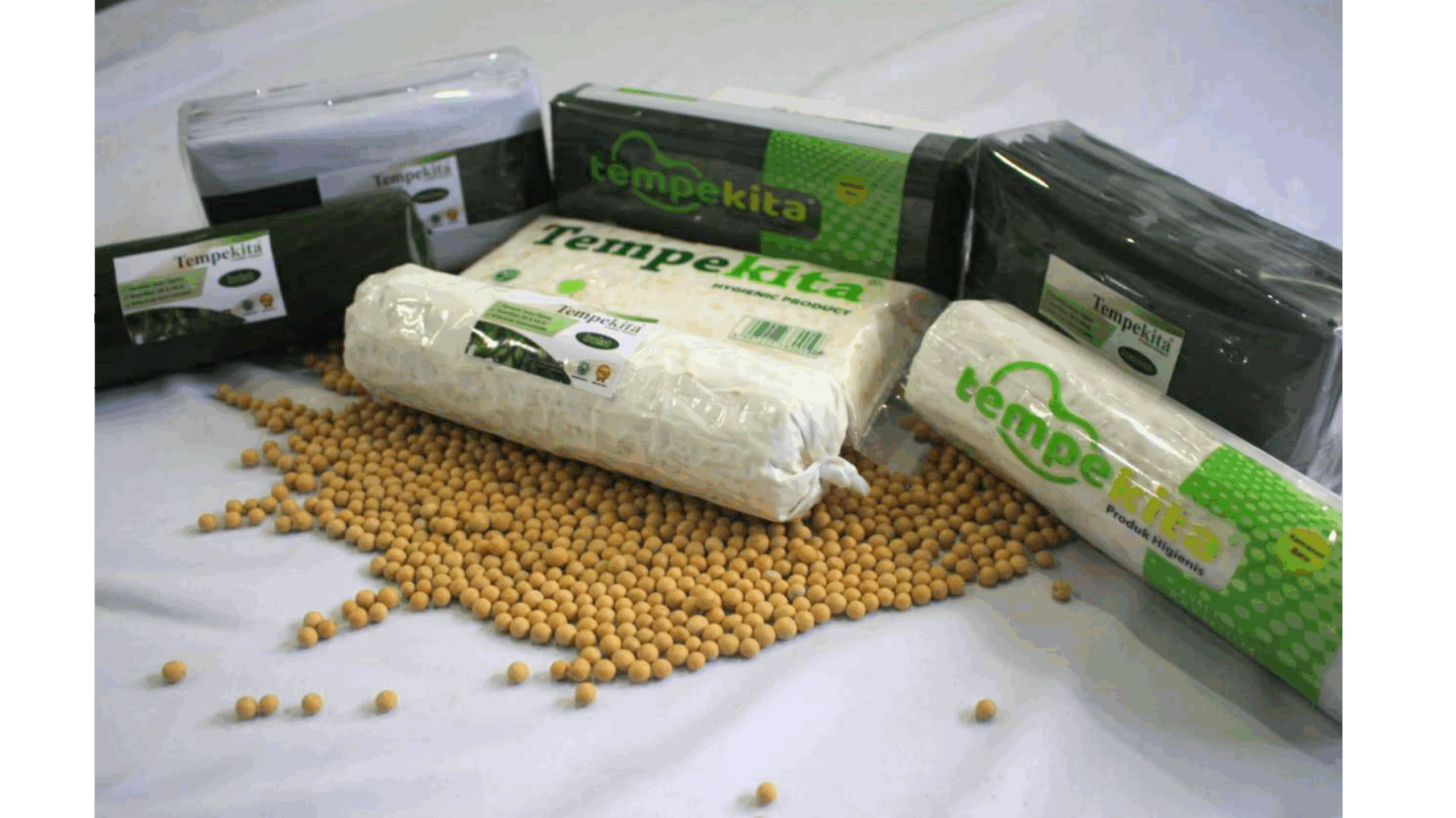
When people think of Indonesia’s culinary heritage, tempe often comes to mind. This traditional, nutrient-rich food made from fermented soybeans has been a staple in Javanese households for centuries. More than just a source of protein, tempe reflects community values, sustainability, and cultural pride. Today, Rumah Tempe Indonesia (RTI) in Bogor stands at the forefront of elevating this humble food into a model of sustainable business, global recognition, and cultural preservation.
Through its efforts, RTI has positioned itself as a catalyst for change in the tempe industry, emphasizing the importance of environmentally conscious practices. It demonstrates how traditional food production can evolve without losing its cultural essence. By setting a high standard for hygienic production and encouraging eco-friendly initiatives, RTI contributes significantly to the advancement and global competitiveness of Indonesia’s tempe industry.
Challenges in Scaling Up for Rumah Tempe Indonesia
Despite its successes, RTI faces several challenges, particularly as it looks to expand nationwide and globally. Among the main issues are:

Maintaining consistent quality across regions.

Lack of integrated KPIs to measure marketing, sales, and distribution performance.

Resource limitations, especially in managing partnerships and scaling human capital.
Business Solutions and Strategies of Rumah Tempe Indonesia
As Rumah Tempe Indonesia (RTI) expands, its growth journey comes with both opportunities and challenges. To ensure long-term sustainability while maintaining the authenticity of tempe production, RTI has developed multi-stage strategies that focus on structured planning, resource optimization, and partnership development. These solutions are designed to make RTI not just a local producer but a scalable, competitive, and globally recognized brand.
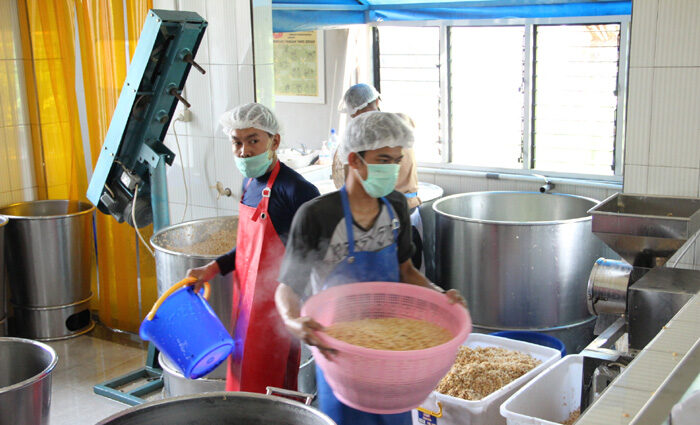
Business Mapping RTI
The first step in RTI’s growth strategy is business mapping. This process involves analyzing potential markets, identifying sales targets, and evaluating available resources. As RTI expands beyond Bogor to regions like Bandung, Yogyakarta, Surabaya, and even international markets, business mapping ensures that resources are allocated efficiently. Mapping highlights high-potential areas, clarifies sales targets, and provides insights into which regions or partners should be prioritized. This prevents resource waste and ensures expansion happens in a structured, profitable way.
Analyse Territory Management
With limited human resources and growing market demand, RTI emphasizes the importance of territory management. Territory Management is a method of managing the potential of the sales area, which starts with understanding the sales area, preparing a management plan, and implementing and valuating the territory management plan. Its business proposal comes from 2 segments; a partner and a supply chain partner.

Partners (Community-Based Expansion)
Empowering alumni of RTI training programs and local entrepreneurs to replicate RTI’s model in their own regions.

Supply Chain Partners (Large-Scale Expansion)
Collaborating with established distributors and supermarket chains to introduce RTI products to broader markets.
Developing Key Performance Indicators (KPIs)
To strengthen its expansion, Rumah Tempe Indonesia emphasizes the importance of developing clear performance indicators that can measure the effectiveness of both its local partners and supply chain collaborators. Without these benchmarks, it would be difficult for RTI to track growth, ensure quality standards, and maintain consistency across different regions. By creating a structured evaluation system, RTI is able to monitor its partners’ performance, optimize resources, and secure sustainable progress as it grows nationally and internationally.
Sales and Marketing Plan
To achieve growth, RTI designed region-specific sales and marketing strategies. This plan is divided between Partners and Supply Chain Partners:
Implementation Plan
RTI recognizes that strategies are only effective if supported by proper implementation. To execute its growth strategy, RTI should prepared:
Human Resource Allocation
Assigning team members specific roles such as production assistance, trainee support, product knowledge training, and export facilitation. In many cases, these roles can be handled by senior RTI staff, reducing costs and ensuring quality standards are consistent.
Timeline Management
RTI follows a structured timeline for onboarding new partners, scheduling training, and analyzing partner performance. These activities are planned quarterly, ensuring sustainable growth without overwhelming internal resources.
Partner Support Systems
New partners receive continuous guidance—ranging from technical training to marketing support—so that the RTI standard of tempe quality remains intact across all regions.
Conclusions
By combining business mapping, territory management, KPI development, targeted marketing, and structured implementation, RTI has created a scalable model that other SMEs in Indonesia can learn from. What makes RTI unique is its balance between tradition and innovation: while it embraces modern business practices, it never compromises the cultural heritage that makes tempe special.
These solutions not only position RTI as a leader in Indonesia’s tempe industry but also prepare it for the global plant-based food market, where authenticity, sustainability, and innovation are highly valued.
Contributors
This is a Business Immersion article researched and written by Group 6 of the Entrepreneurial Marketing MBA (ENMARK MBA) Batch 2, consisting of:
Business Immersion is a key component of the Entrepreneurial Marketing MBA (ENMARK MBA) program, offering students the opportunity to collaborate with industry through group consultancy projects. During the third semester, from September to January, students will work as a team of consultants, tackling real-world business challenges. This immersive learning experience bridges the gap between academic theory and practical application, equipping students with the skills to address complex issues and explore innovative management approaches within established organizations.
—
Entrepreneurial Marketing MBA (ENMARK MBA), a collaboration between MarkPlus Institute and School of Business and Management Institut Teknologi Bandung, is designed to equip future leaders with expertise in marketing, management, business strategy, and an entrepreneurial mindset to drive innovation and career growth.
What sets ENMARK MBA apart is its holistic approach, integrating marketing, finance, and strategy to blend creativity with analytical thinking. Through real-world case studies and hands-on projects, students develop the agility and strategic acumen to excel in today’s dynamic business landscape.